2 hr
La Jolla Sea Cave Kayaking Adventure
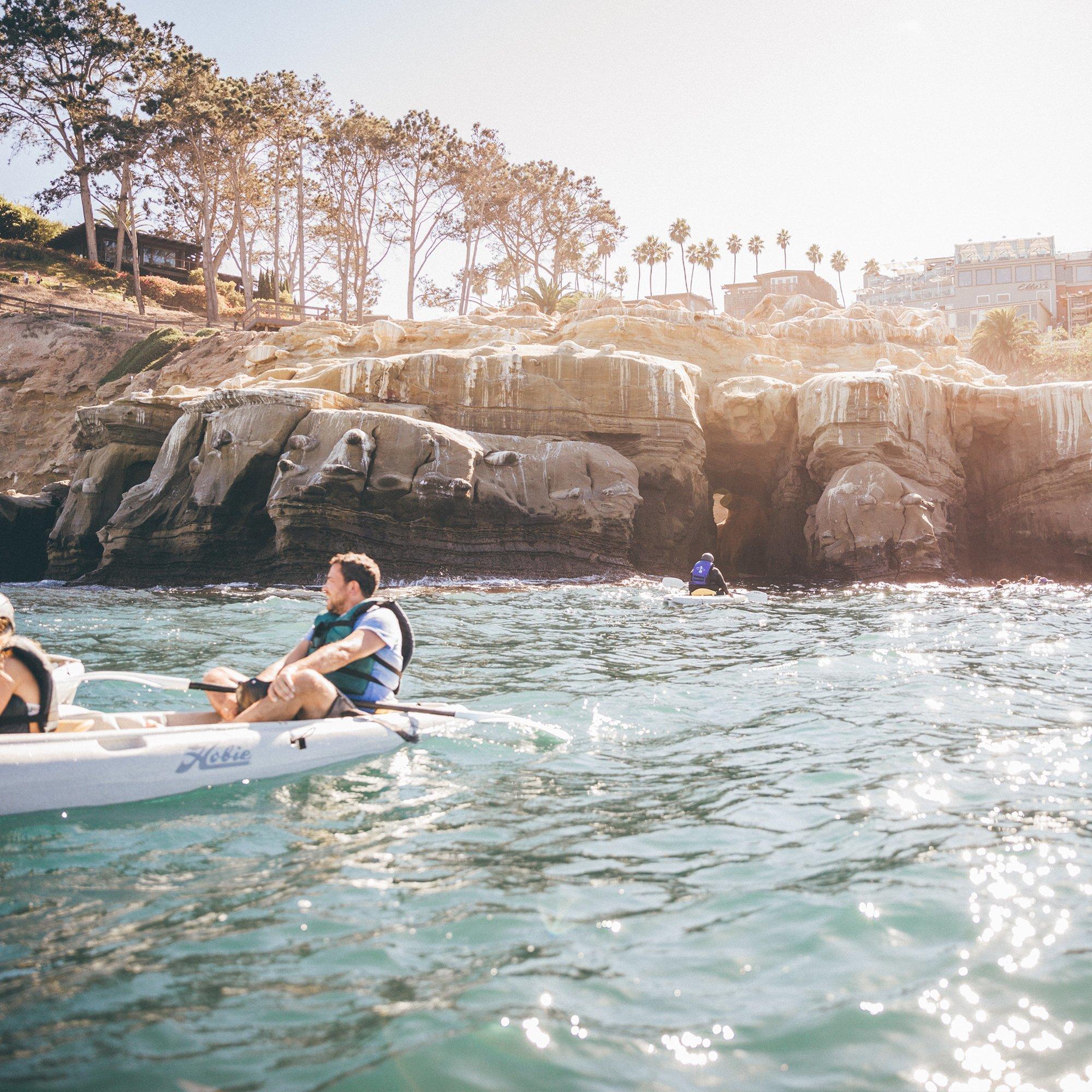
Glide through three unique marine habitats and paddle into the region's largest accessible sea cave
Reserve
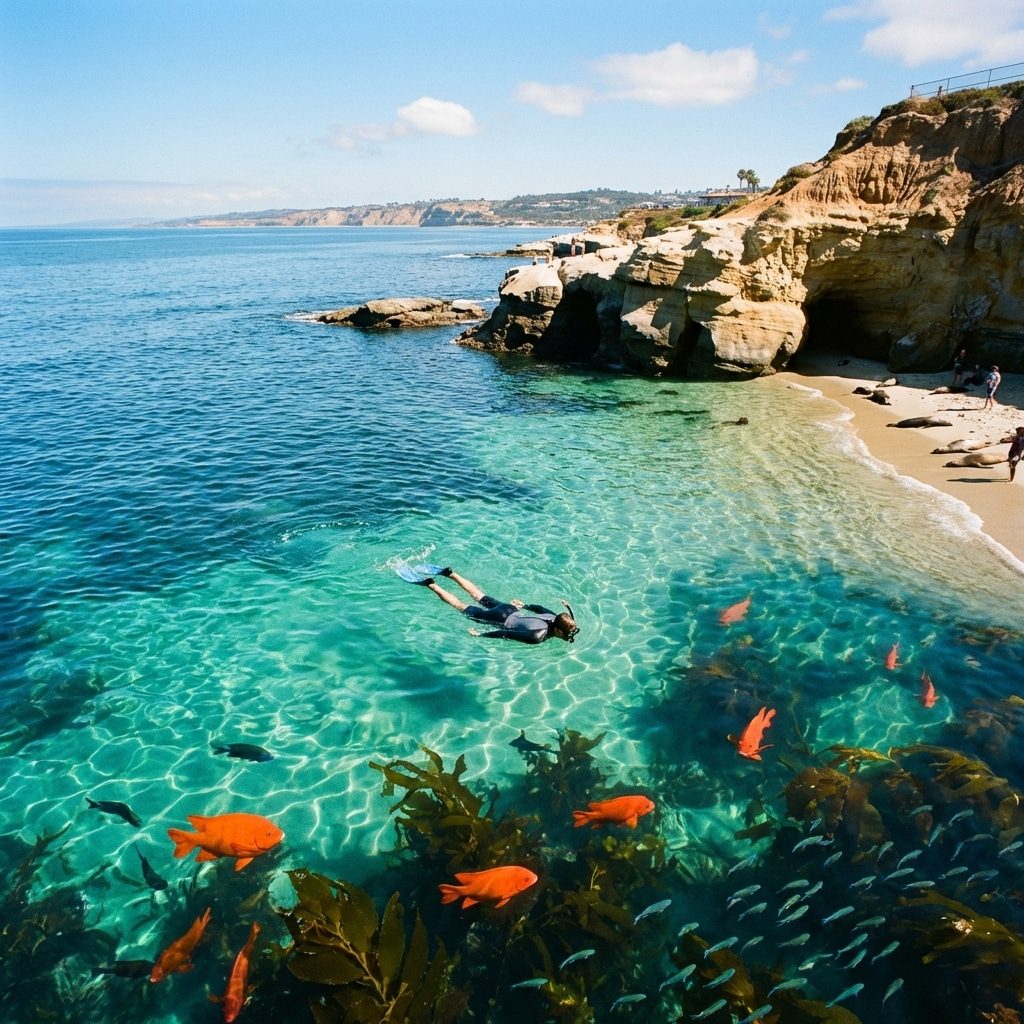
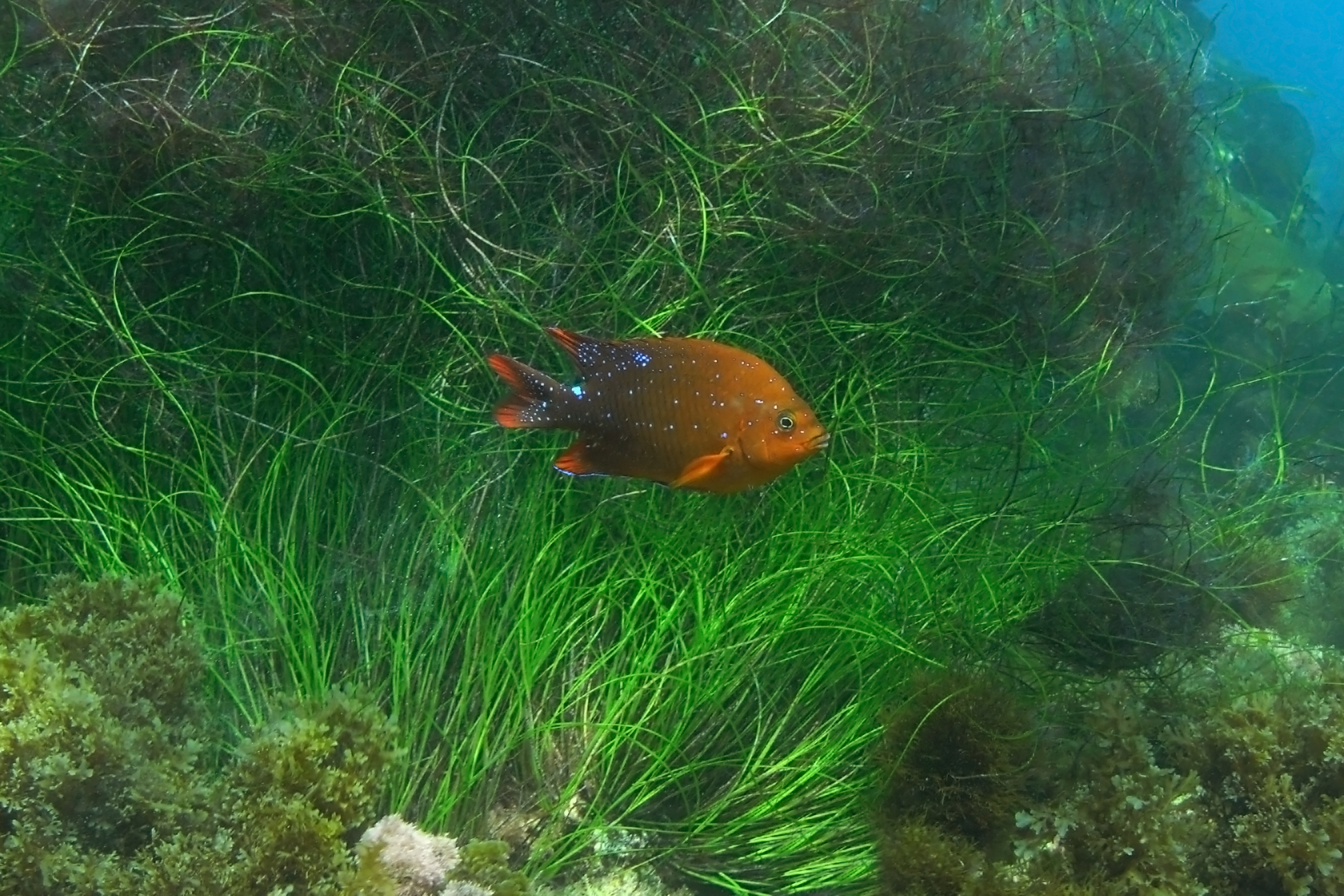
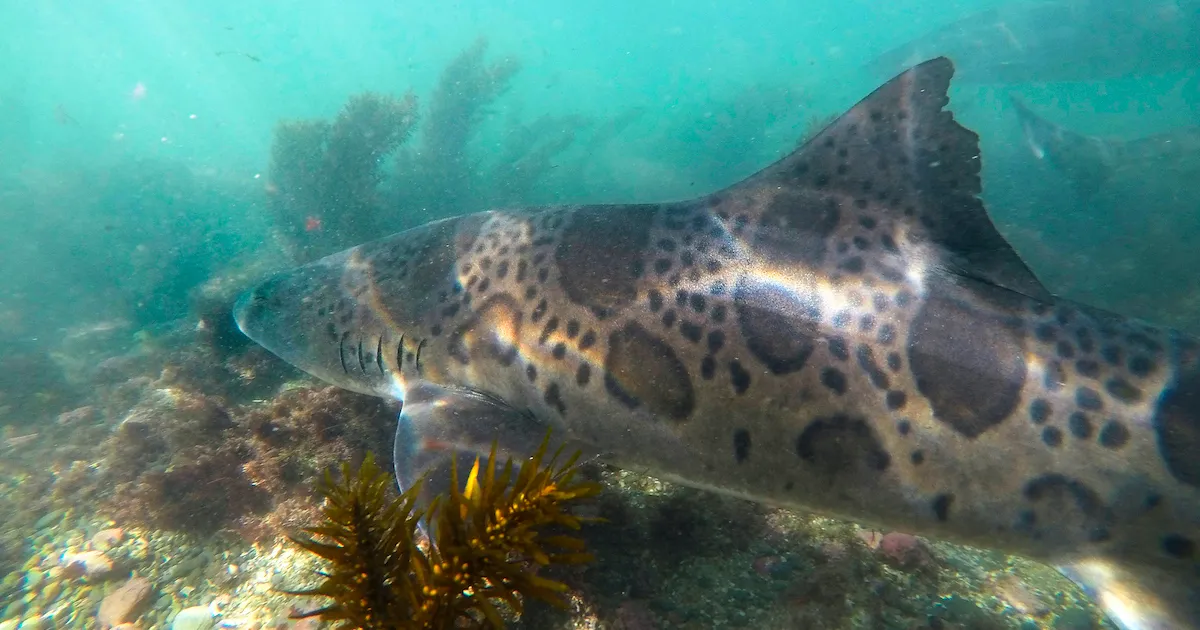
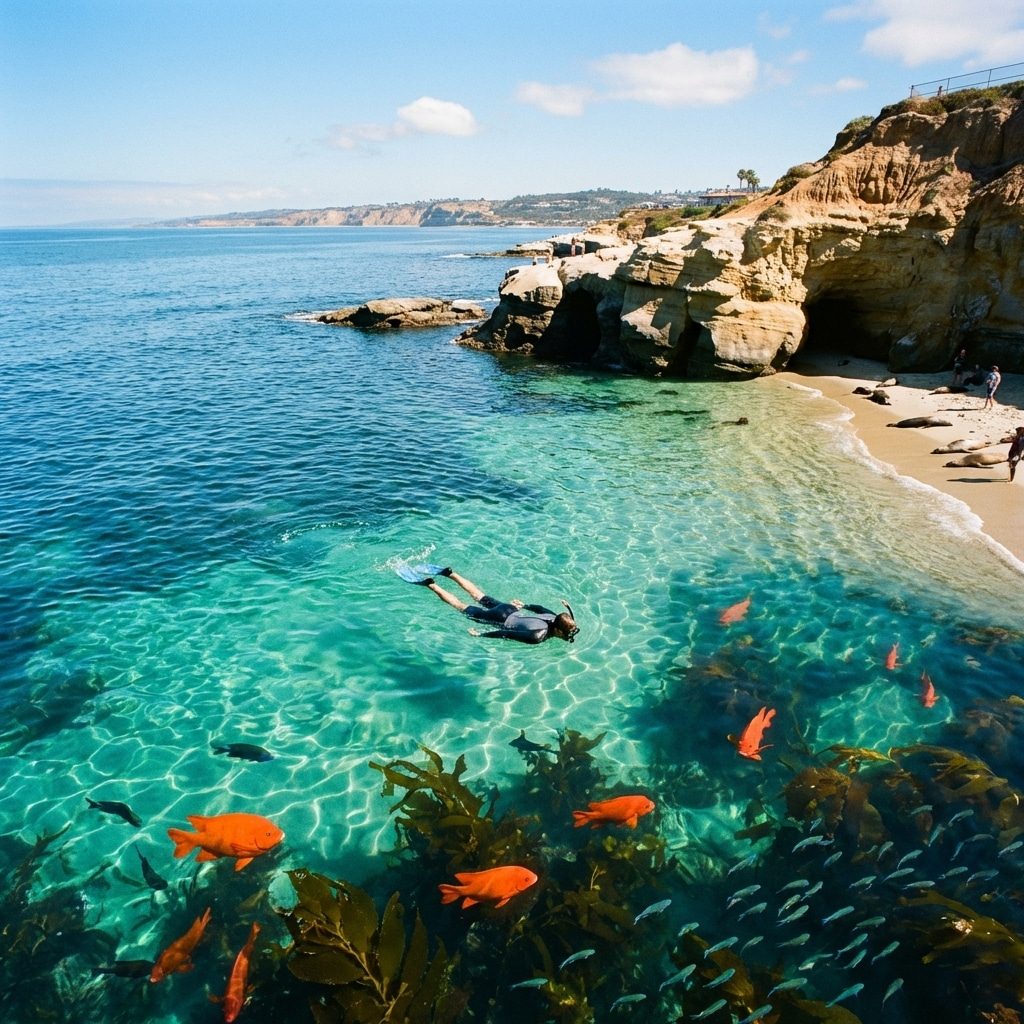
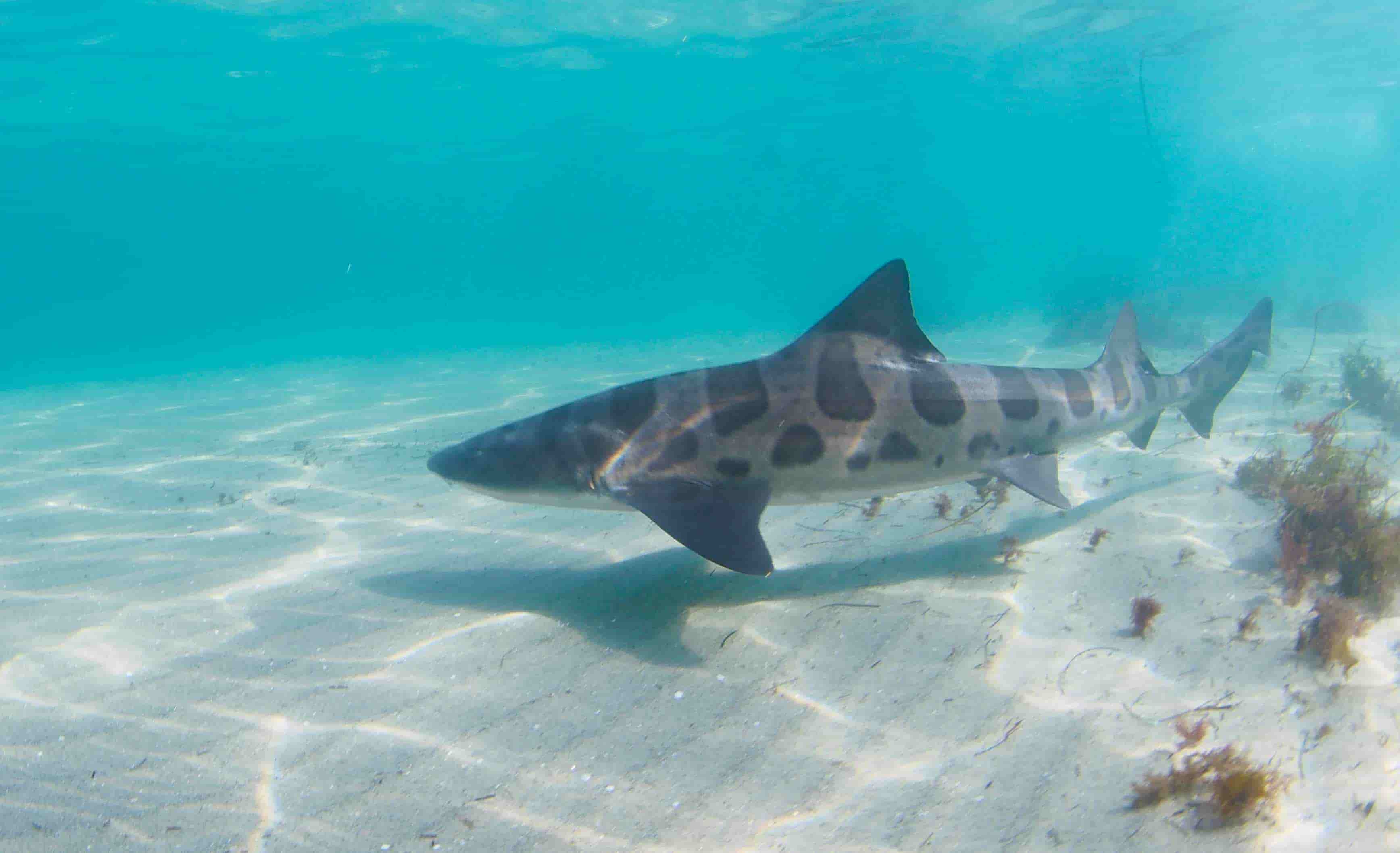
Leopard sharks in the shallows, garibaldi through the kelp forest
Hand-picked by our editors — the best 4 snorkeling experiences from 11 reviewed
Verified partners for La Jolla Cove Snorkeling tours, free cancellation where available, and instant confirmation on every booking.
2 hr
Glide through three unique marine habitats and paddle into the region's largest accessible sea cave
Reserve
2 hr 30 min
Paddle into sea caves and snorkel with leopard sharks, rays, and vibrant marine life in a protected reserve
Reserve
1 hr 30 min
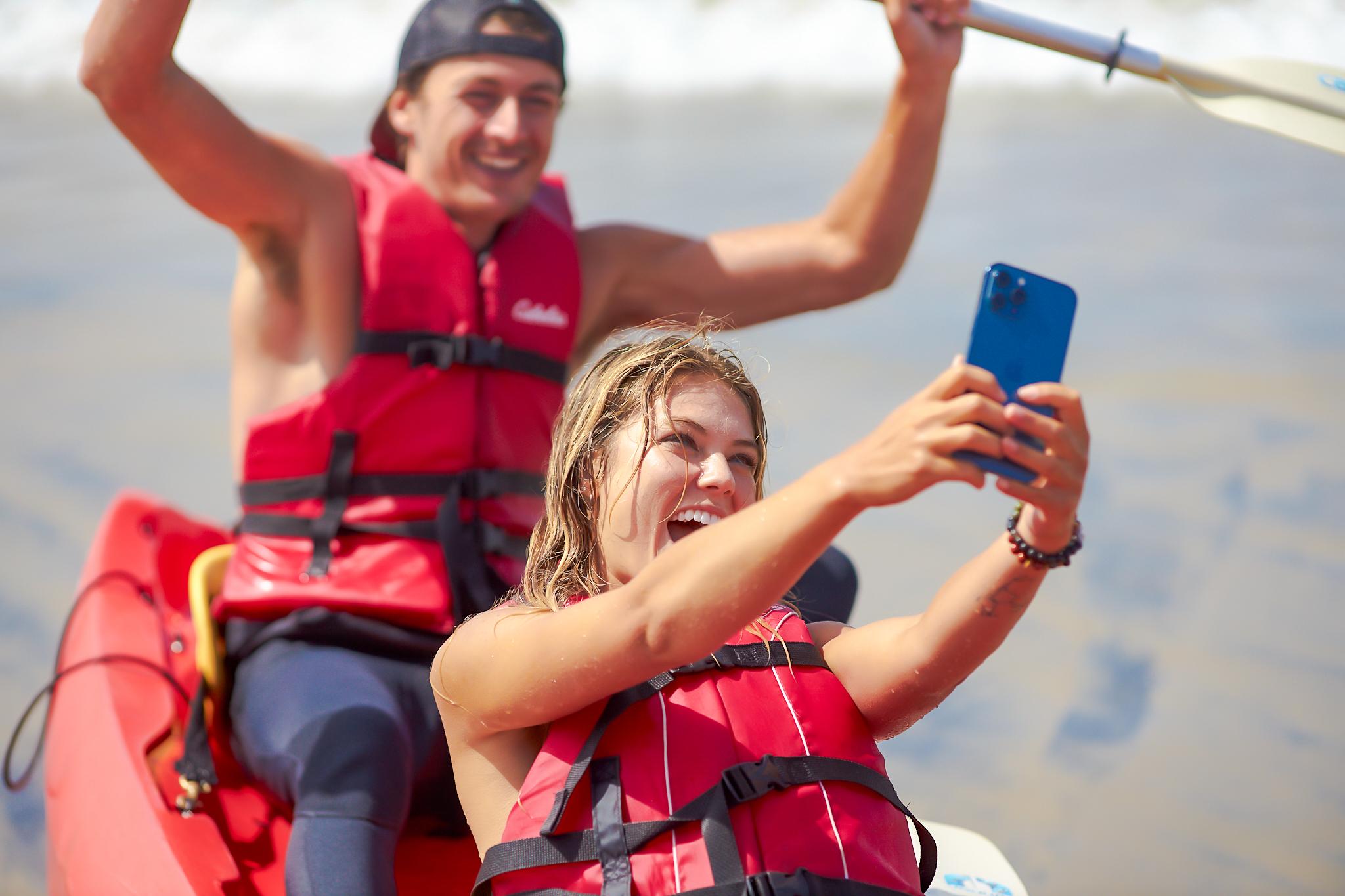
Paddle through protected marine waters, glide into iconic sea caves, and witness dolphins, sea lions, and vibrant ocean life.
ReservePrices from verified partners. Availability updates in real time at checkout. Free cancellation policies apply where shown.
The landmarks, rooms, and views travelers on La Jolla Cove Snorkeling tours remember — all visible on a single visit.
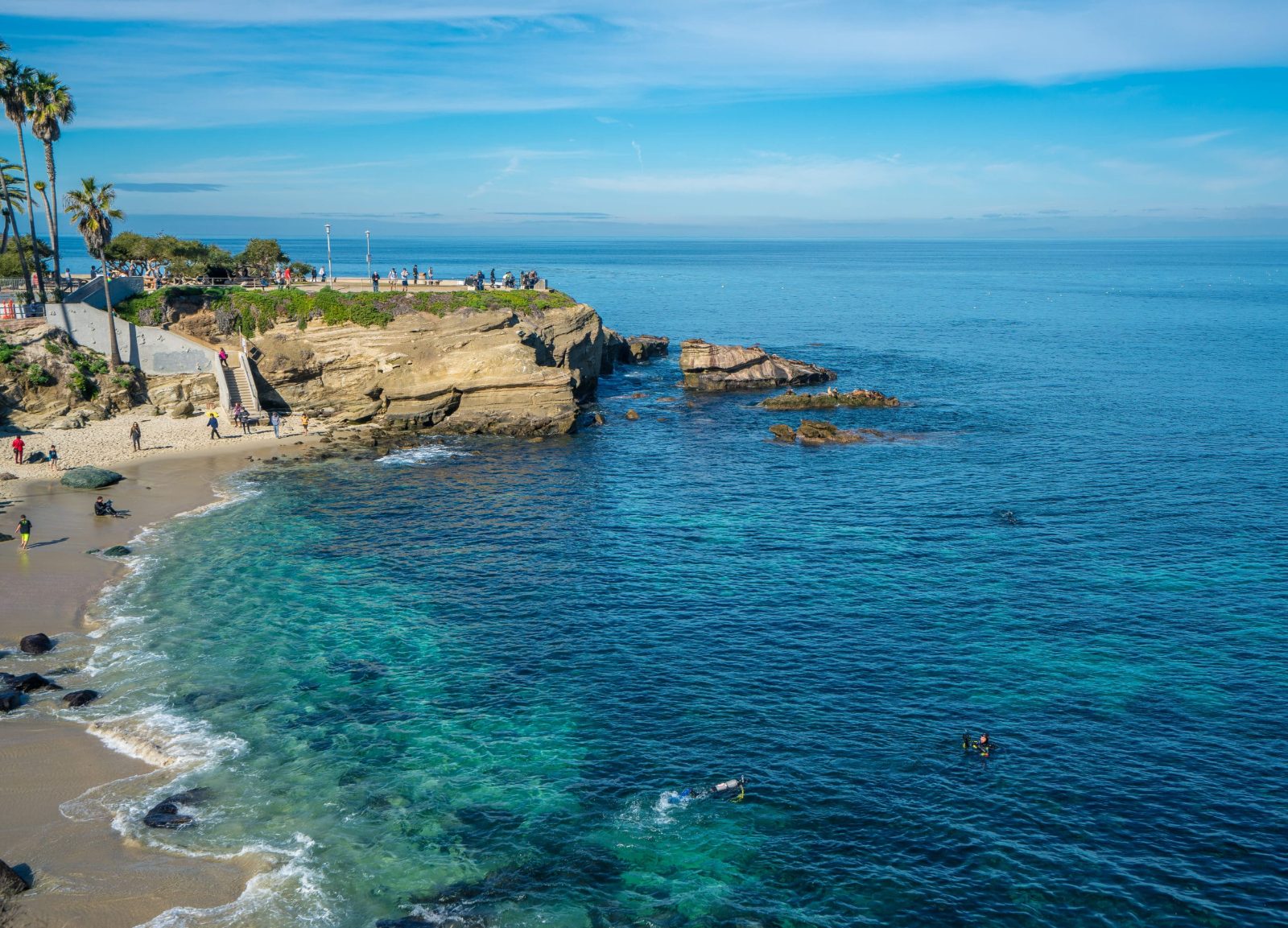
A sheltered, small beach perfect for swimming and observing sea lions.
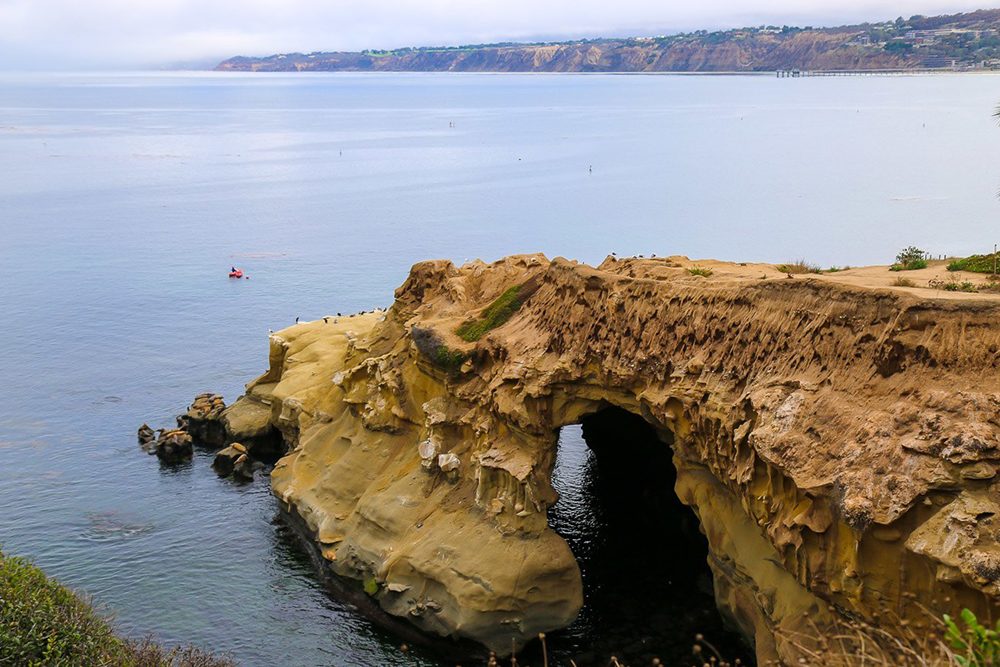
A historic cave accessible through a tunnel, offering a unique perspective of the cliffs.
The grassy park atop the cliffs that provides views over the entire ecological reserve.
A strictly regulated zone where taking or disturbing wildlife is illegal.
Located adjacent to the cove, known for its dramatic cliffside scenery.
Every La Jolla Cove Snorkeling tour side-by-side — duration, what's included, how you redeem.
| Experience | Duration | Rating | Guide | Small group | Free cancel. | Price | |
|---|---|---|---|---|---|---|---|
|
Standard Entry Most popular
La Jolla Sea Cave Kayaking Adventure
|
2 hr | ★ 4.4 | — | — | ✓ | €70 | Book → |
|
Standard Entry
La Jolla Kayak & Snorkel Adventure
|
2 hr 30 min | ★ 4.2 | — | ✓ | ✓ | €114 | Book → |
|
Standard Entry
La Jolla Sea Cave Kayaking Adventure
|
1 hr 30 min | ★ 4.6 | ✓ | — | ✓ | €140 | Book → |
All prices from verified partners. Availability and exact terms confirmed at checkout.
La Jolla Cove offers a more sheltered, protected marine reserve environment, while La Jolla Shores is better suited for those seeking a broad sandy beach entry. Many visitors find that booking la jolla cove snorkeling tours provides a guided approach to the local kelp forests, whereas the Shores remains a preferred site for independent swimming.
| Feature | Top pick La Jolla Cove | La Jolla Shores |
|---|---|---|
Environment |
Rocky reefs and kelp forests | |
Marine Life |
Garibaldi and sea lions | |
Entry Difficulty |
Steep, rocky shoreline access | |
Crowd Levels |
High during weekends | |
Ideal Skill Level |
Intermediate snorkelers and swimmers | |
| See tickets → |
Verdict: Choose the Cove for superior wildlife sightings within a protected marine sanctuary, or opt for the Shores if you prefer la jolla cove snorkeling tour alternatives with easier water entry points and expansive sand.
Choose your ticket, select your date, and reserve in under two minutes. Secure checkout handled by our verified partner.
Instant confirmation by email, with a mobile voucher you can save offline. No printing, no queuing at a collection desk.
Arrive at the entrance, show your voucher on your phone, and walk in. Most tickets include priority or skip-the-line access.
Practical details for La Jolla Cove Snorkeling tickets straight from our verified partners — hours, access, rules, and how to get there.
1100 Coast Blvd
Main meeting area near the stairs.
Open in Google MapsUse MTS bus route 30 toward UTC via Pacific Beach.
Navigate to 1100 Coast Blvd; street parking is limited.
Wetsuits are highly recommended for warmth and buoyancy, especially from November through June. Wear a swimsuit and consider a rash guard for skin protection.
Keep valuables in a secure vehicle or at your accommodation. There are no lockers available directly on the beach for your snorkeling gear.
La Jolla Cove is a prime spot for underwater photography, but do not harass or crowd marine life for a photo. A waterproof housing or a dedicated snorkel camera is essential for capturing images.
The beach is accessed via steep stairs. While Ellen Browning Scripps Park is paved, the beach itself is not wheelchair accessible.
Mobile phones are permitted. Keep ringer off inside exhibition spaces.
Families find the calm water ideal for a la jolla cove snorkeling tour with children. Ensure all family members are strong swimmers before entering the water.
No food or drink is available on the beach, but many restaurants are located on Prospect Street. Do not litter on the beach or in the reserve.
Pets are not allowed, with the exception of service animals with appropriate documentation.
Last entry is typically 1 hour before closing. Check the specific ticket for timing.
Best time to go, insider tips, nearby landmarks, and the cancellation fine print — flip through to skim what matters to you.
How crowds, weather, and events shift across the year.
September and October offer warm water and clear visibility with thinner crowds.
August to September features peak water temperatures and abundant marine life.
Water is cooler and visibility can be reduced by storm-driven sediment.
Mornings are often foggy but clear up by midday.
Small details that turn a good visit into a great one.
Call 619-221-8824 for live surf and visibility reports.
Arriving by 06:00 ensures calm water and parking availability.
Non-bookable sights within a short walk — free to visit, easy to pair.
See seals resting on the beach from the seawall.
Historic tunnel leading into a sea cave.
Flexible, no hidden fees.
Entry to the marine reserve is free. Private la jolla cove snorkeling tours often require 24–48 hour notice for full refunds.
Hand-picked options within walking distance — pick a district for vibe, or a specific hotel for convenience.
Oceanfront suites overlooking the marine reserve.
The San Diego-La Jolla Underwater Park, established in 1970 as California's first such reserve, protects 6,000 acres of kelp forest and submarine canyon where the seafloor drops from fifteen feet to more than six hundred within a quarter-mile offshore.
The cove itself occupies a natural amphitheater carved into the Torrey sandstone cliffs, its sheltered crescent fed by tidal surges that flush the basin twice daily and sustain visibility that averages forty feet year-round. What distinguishes la jolla cove snorkeling from other accessible Pacific sites is the density of its resident populations: seventy species of fish documented within the reserve boundaries, including the brilliant orange garibaldi—California's state marine fish, legally protected since 1995—and seasonal aggregations of leopard sharks that gather in the warm shallows from June through September, their spotted backs visible from the surface in water shallow enough to stand.
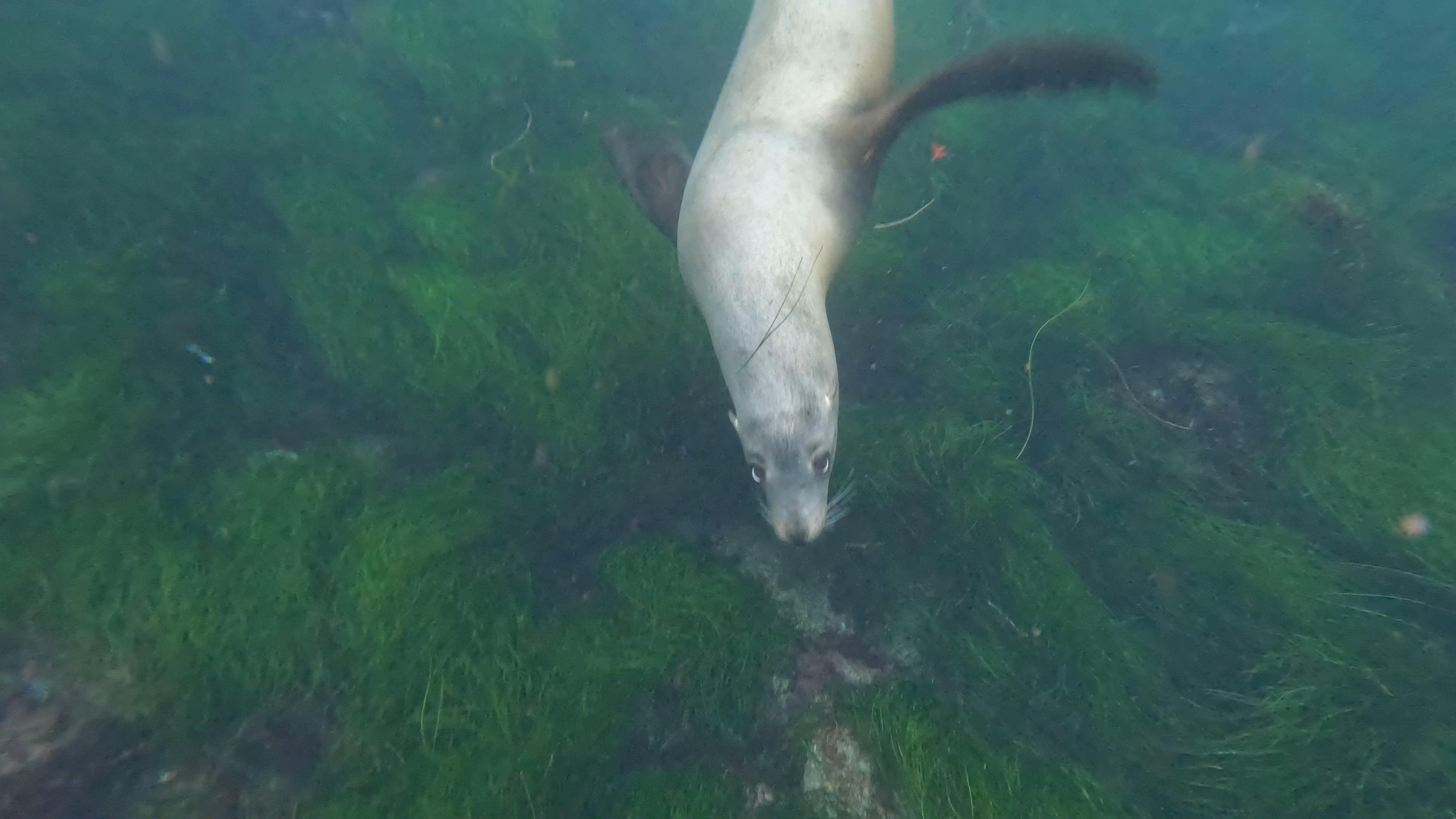
The reserve's legal protections prohibit all take—no fishing, no shell collecting, no disturbance of stationary invertebrates—a restriction that has compounded biodiversity over five decades. Underwater, the effect is immediate. Giant kelp (Macrocystis pyrifera) rises sixty feet from the substrate, its stipes thick as forearms and canopies swaying in the surge. Within the holdfasts cluster rockfish, señoritas, blacksmith, and juvenile California sheephead. The sandy corridors between kelp beds host halibut, sanddabs, and the occasional shovelnose guitarfish. Sea lions from the rookery at Point La Jolla patrol the reserve's western margin, their vocalizations audible underwater as sharp barks and trills. Divers and snorkelers report encounters with sevengill sharks in the canyon's deeper reaches, though these remain outside the range of surface swimmers.
Conditions fluctuate by season and swell direction. Winter storms generate turbidity that can reduce visibility below ten feet for days, while Santa Ana winds in autumn flatten the surface and extend clarity past seventy feet. La jolla cove snorkeling conditions today and tomorrow are tracked by the Scripps Institution of Oceanography's Coastal Data Information Program, which maintains a nearshore buoy recording wave height, period, and water temperature in real time. Summer thermoclines bring surface temperatures above seventy degrees Fahrenheit, warm enough for extended immersion in a shorty wetsuit. Winter readings drop to fifty-eight degrees, requiring full thermal protection. The leopard shark phenomenon draws the highest seasonal traffic: pregnant females and juveniles concentrate in the shallow embayment where sun-warmed sand accelerates gestation, a behavior unique to this stretch of coastline and absent from other leopard shark habitats in the Eastern Pacific.
Public access remains unrestricted—the beach and reserve fall under city and state jurisdiction with no entrance gate or fee structure—but the adjacent street parking fills by mid-morning on weekends and throughout summer. The lifeguard station at 1100 Coast Boulevard posts daily condition updates and enforces a no-glass policy on the sand. Rental operations cluster along Girard Avenue and Prospect Street, a ten-minute walk uphill from the water, offering masks, fins, snorkels, and wetsuits by the hour or day. Online forums, particularly la jolla cove snorkeling reddit threads, aggregate real-time reports from locals tracking surge, temperature, and wildlife presence, a crowdsourced supplement to the official buoy data that reflects on-the-ground variability within the cove's microclimates.
"Seventy species of fish documented within the reserve boundaries, including seasonal aggregations of leopard sharks visible from the surface in water shallow enough to stand."
A step-by-step walkthrough of La Jolla Cove Snorkeling tickets — what you'll see, how long each stage takes, and the details that matter.
You descend the concrete stairs at Coast Walk, kelp mats drying on the rocks below, and cross the narrow crescent of sand where sea lions bark from the outcrop to your left. The water is cold on your ankles—fifty-eight degrees in October—and you pause at knee depth to spit in your mask and rinse it in the shorebreak.
You wade to waist depth, pull your fins on while floating, and push past the surge zone into the kelp line twenty yards offshore.
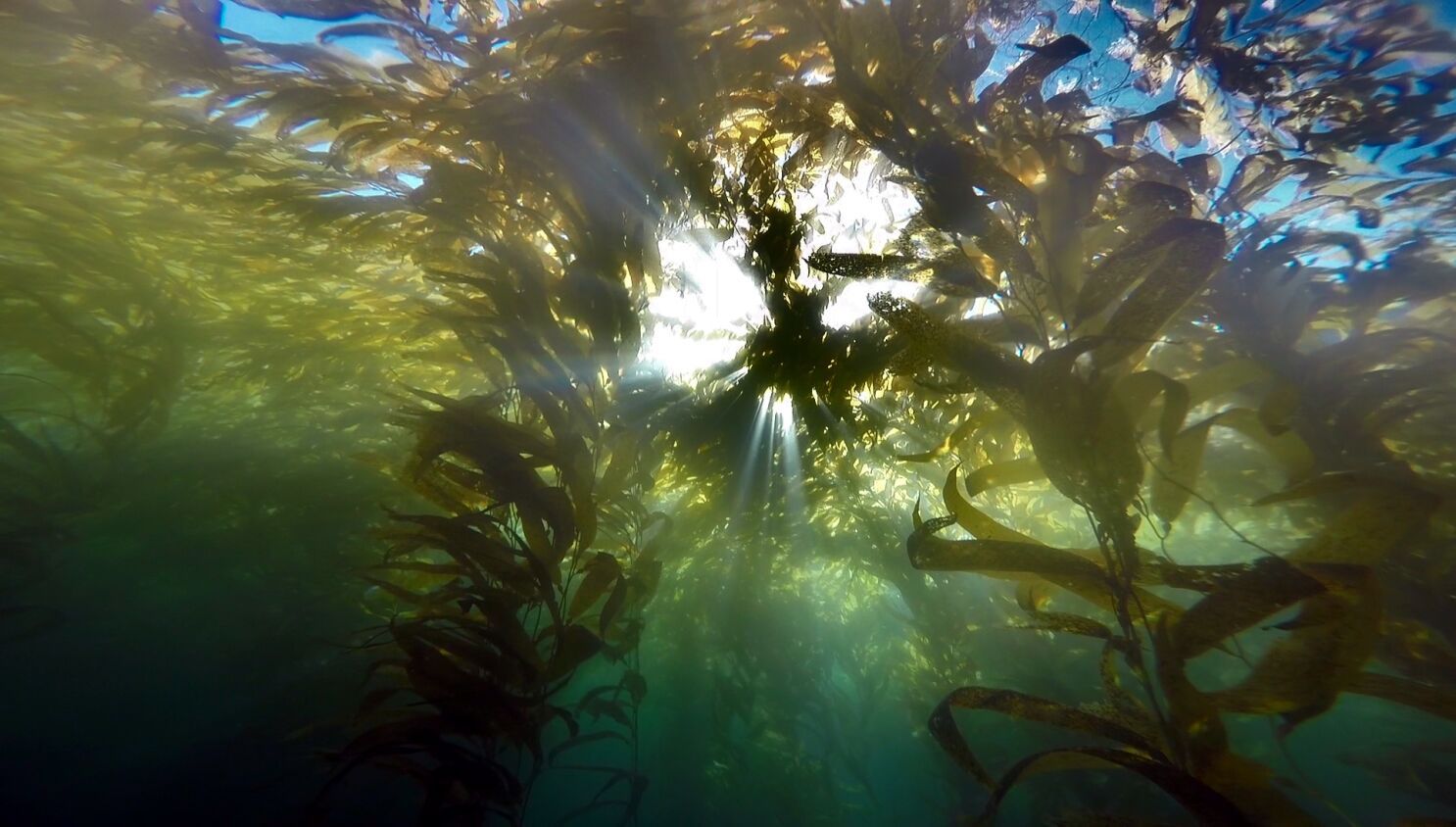
Visibility opens to forty feet. The bottom is sand scattered with cobbles, then transitions to bedrock as you swim west toward the point. A school of blacksmith—small, dark ovals—holds station in the kelp canopy above you. You drop to fifteen feet and fin along the sandstone ledge where garibaldi nest in the crevices, their orange scales luminous against the gray stone. A leopard shark glides beneath you in twelve feet of water, its pattern of dark saddles unmistakable, and angles back toward the shallows where two more rest motionless on the sand.
You surface, clear your snorkel, and drift in the kelp bed. A sea lion corkscrews past, exhales a stream of bubbles, and vanishes into the blue water beyond the reserve's edge. The canyon starts there—the bottom you were finning over simply ends, dropping into water too deep to see. You turn back toward the cove, riding the swell as it pushes you toward the beach.
The beach is open daily from 00:00–23:59. Lifeguards are generally on duty from 9am to dusk.
Entry to the beach and marine reserve is 0 USD.
The best arrival window is 06:00–10:00 to enjoy the calmest water and best visibility.
There are no secure storage or locker facilities provided at La Jolla Cove.
Yes, it is family-friendly, but all participants must be comfortable swimmers independently without assistance.
Yes, many local operators offer a guided la jolla cove snorkeling tour.
Lifeguards prohibit the use of life vests or flotation devices in the La Jolla Cove Ecological Reserve.
Bring a mask, snorkel, fins, and a wetsuit, as conditions can be chilly.
You can drive to 1100 Coast Blvd or use the San Diego MTS line 30 for public transit access.