English| EUR
Suggested for you
More currencies
Choose a language
La Jolla Cove sits inside a protected marine reserve where several shark species navigate the kelp beds and sandy channels year-round. Snorkelers share the water with harmless leopard sharks, swell sharks, and occasional smoothhound sharks, none of which pose a threat to humans.
Quick answer
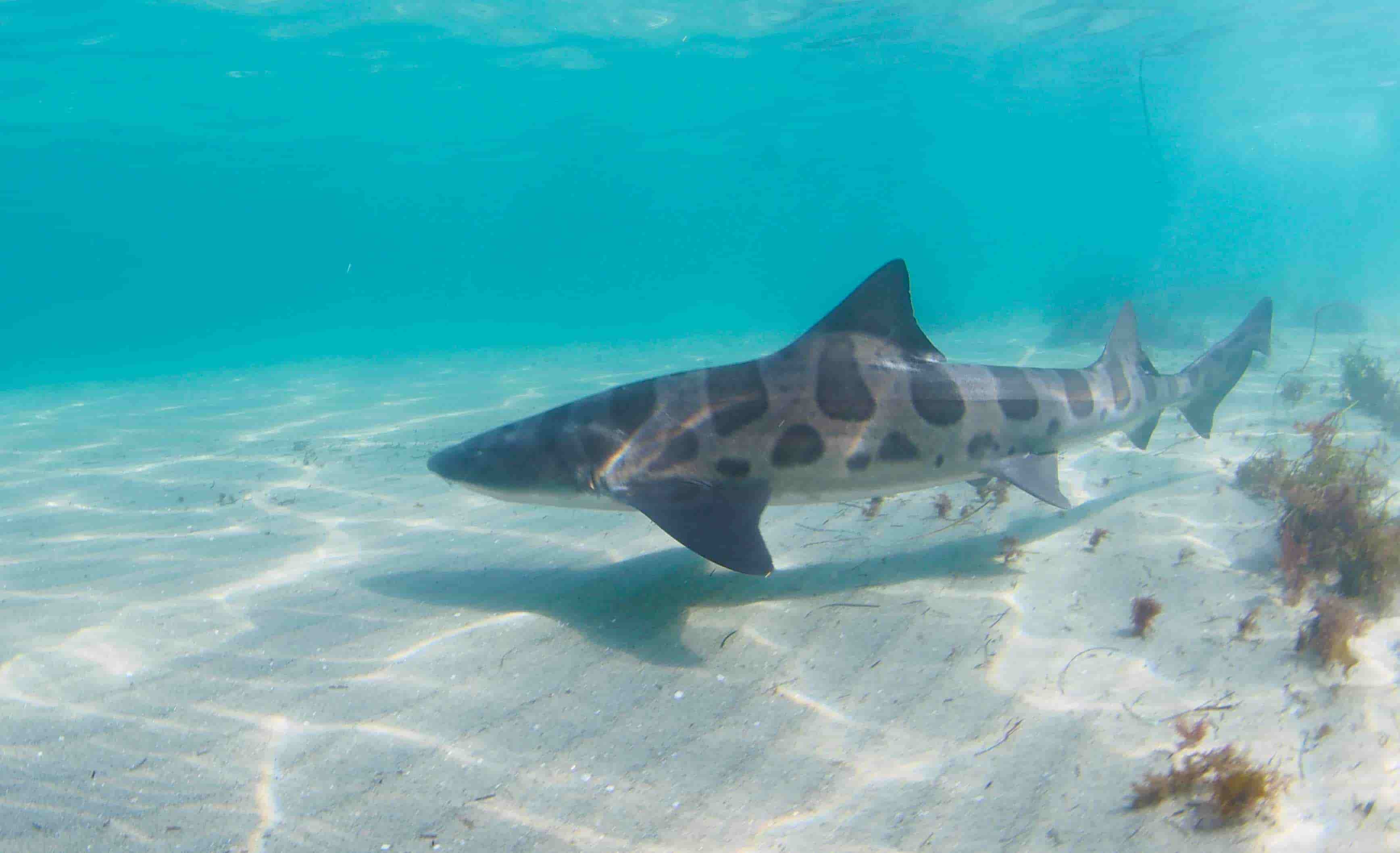
La jolla cove snorkeling sharks include leopard sharks, swell sharks, and smoothhound sharks, all non-aggressive species that inhabit the shallow waters of the San Diego-La Jolla Underwater Park. Leopard sharks gather in highest numbers from June through December when water temperatures rise above 65°F, often resting in sandy patches between the kelp forest and rocky reefs where snorkelers can observe them from two to three feet away.
Leopard sharks arrive at La Jolla Cove each summer following the warm water that triggers their seasonal migration from deeper offshore zones. Adult females, some reaching five feet in length, use the calm shallows as nursery grounds while juvenile sharks feed on crustaceans buried in the sand. The cove's protected status prohibits fishing and limits boat traffic, creating one of the few accessible coastal sites in California where snorkelers can reliably encounter sharks in water shallow enough to stand. Swell sharks occupy the rocky crevices and kelp holdfasts along the cove's western edge, resting motionless during daylight hours with their mottled brown skin blending into the reef structure. These nocturnal bottom-dwellers remain hidden from most snorkelers, though early morning visitors occasionally spot them retreating into deeper water as dawn breaks. Smoothhound sharks patrol the sandy corridors beyond the surf zone, feeding on crabs and mollusks in areas where the bottom drops from fifteen to thirty feet. The species that frequent la jolla cove snorkeling sharks routes feed exclusively on invertebrates and small fish, lacking both the size and dentition to threaten humans. Leopard sharks possess rows of small, flattened teeth designed for crushing shells rather than tearing flesh, and documented interactions between these sharks and swimmers show consistent avoidance behavior when approached. The California Department of Fish and Wildlife records zero unprovoked shark incidents at La Jolla Cove in its marine safety database spanning four decades. Snorkelers entering the water between the rock formations at the cove's center often encounter leopard sharks within the first fifty yards, particularly during the late morning hours when sunlight penetrates to the sandy bottom and sharks become more visible against the pale substrate. The animals tolerate human presence but move away when pursued, a pattern that allows observation without disrupting their natural behavior or causing stress responses.
“Leopard sharks use La Jolla Cove's protected shallows as nursery grounds, creating one of California's most accessible sites for observing sharks in water shallow enough to stand.”
The presence of marine life in La Jolla Cove often leads to confusion regarding shark activity. Clarifying the behavior of local species ensures visitors can snorkel with a clear understanding of the environment.
MythSnorkeling here is dangerous due to frequent shark attacks.
FactLa Jolla Cove is home to leopard sharks, which are timid and considered harmless to humans.
MythLarge sharks frequently hunt near the shoreline at the Cove.
FactWhile the area hosts diverse marine life, large predatory sharks are not common visitors to the shallow snorkeling zones.
MythLeopard sharks are aggressive toward swimmers.
FactLeopard sharks are bottom-feeders that typically flee when approached by snorkelers, making them a common and docile sight.
The prime window for observing leopard sharks at La Jolla Cove occurs during late summer and early autumn when these sharks congregate in shallow, warmer waters. Visiting between August and September provides the highest likelihood of encounters with these docile marine residents.
Warm water, 70–74°F
Sharks frequent shallow sandy areas during these months.
Cooling water, 65–69°F
Shark sightings remain possible as water temperatures begin to drop.
—
The best arrival window of 07:00–10:00 offers the calmest water conditions for visibility.
Verdict: For the highest probability of shark sightings with the fewest crowds, plan your visit for weekday mornings during August or September.
La Jolla Cove is accessible to the public throughout the week. Visitors may access the beach and water at all hours.
La Jolla Cove is located at 1100 Coast Blvd, La Jolla, CA 92037. The most direct approach is by car via I-5, exiting toward La Jolla Village Drive or Ardath Road.
I-5 to La Jolla Village Drive
MTS Route 30 to La Jolla Blvd & Marine St
Coast Blvd walkway from Ellen Browning Scripps Park
Plan to arrive between 07:00–10:00 to secure limited street parking near the stairs. Once parked, access the water via the 2 stairs located at the main entry point of the cove.
La Jolla Cove lies within a protected marine reserve where federal and state regulations prohibit touching, feeding, or harassing all marine life. Violations carry fines up to $10,000.
Everything you need to know about la jolla cove snorkeling sharks
The leopard sharks often found in the area are docile and generally avoid human interaction, making attacks extremely rare. Most snorkelers simply observe them as they glide through the shallow sandy flats during late summer and early autumn.
Leopard sharks are most commonly spotted in the shallow waters from late summer through early fall. If you are planning a trip to look for them, the best arrival window is 07:00–10:00 when the water remains calmest.
Beginners can certainly enjoy the experience, provided they stay within their comfort level and remain aware of their surroundings. Choosing to join a guided San Diego underwater tour can provide extra safety and expert insight into local marine behavior.
While you do not need a reservation to access the beach itself, booking a guided snorkeling experience through a local operator is recommended if you want professional instruction. This ensures you have access to high-quality gear and local expertise regarding current sea conditions.
The cove is part of a protected marine reserve teeming with life, including bright orange Garibaldi fish, bat rays, and harbor seals. This diverse underwater ecosystem makes it a popular destination for those interested in Pacific Coast marine life.
Pack a well-fitting mask, snorkel, and fins to ensure you are comfortable in the water. Since the water can be cool, many visitors also opt for a wetsuit to stay warm while observing the marine habitat for longer periods.
There is no cost to access the beach or the cove, as it is a public space. Entry is 0 USD, allowing anyone to enjoy the natural beauty of this California landmark.